Dry test first
Start with a normal dry compression test on every cylinder using a consistent procedure. Record the numbers, crank count, throttle position, and battery condition so the comparison is meaningful.
What the wet test adds
Adding a small amount of oil can temporarily improve ring sealing. If pressure rises significantly, worn rings or cylinder-wall sealing become more likely. If pressure does not change much, valves, head gasket, cam timing, or test setup may deserve attention.
Tool setup
Use a compression tester with the correct adapter, a readable gauge, a hose that reaches safely, and a release valve for repeat testing. Avoid over-oiling the cylinder because it can distort the result and create mess.
Next diagnostic step
Compression numbers are clues, not a full diagnosis. A leak-down test, borescope inspection, cooling-system pressure test, or scan data may be needed before expensive engine work.
Frequently asked questions
Do you do wet or dry compression test first?
Do the dry test first, then use a wet test only to add context for low cylinders.
Does a wet test prove bad rings?
It can point toward ring sealing, but it should be confirmed with other evidence.
Can too much oil affect the result?
Yes. Too much oil can distort readings and create cleanup or safety problems.
Best next page
Use the Compression Testers guide when this diagnostic path points to a purchase decision. Compare job fit, limitations, compatibility, and the cost of ownership before choosing a model.
Open Compression Testers guideRelated diagnostic guides
Continue with the closest compatibility, workflow, and buying questions for this tool family.
Tools to compare next
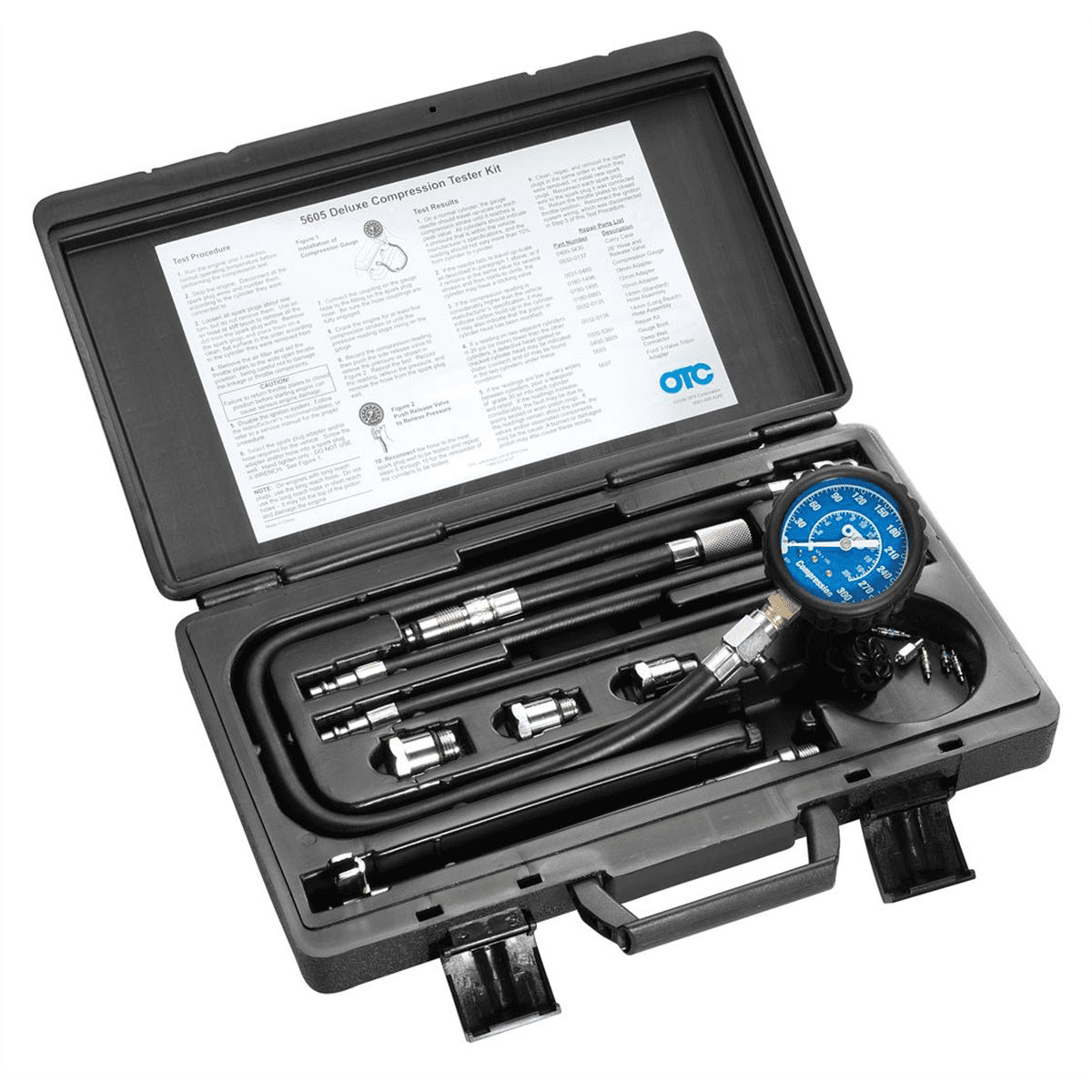
Compression Testers · $$
OTC 5605
A solid candidate for the compression tester comparison page.
- Best for
- Gas engine compression checks where adapter fit matters.
- Check first
- Confirm spark plug thread adapters for the engines you plan to test.
Compare fit and alternatives in Best Compression Tester.
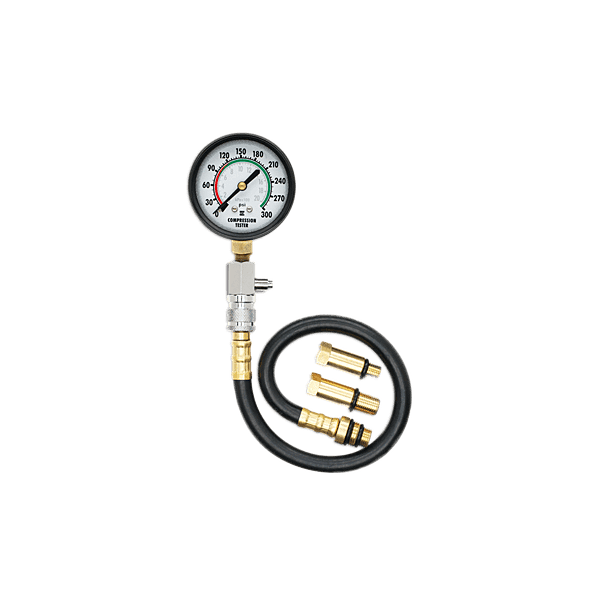
Compression Testers · $
Innova 3612
A budget-friendly option to include in early mechanical tester content.
- Best for
- Basic cylinder compression checks on common gas engines.
- Check first
- A compression test gives direction; it does not identify the failed part alone.
Compare fit and alternatives in Best Compression Tester.

Automotive Borescopes · $$
Teslong NTS500
A good product-profile candidate for spark plug hole inspection content.
- Best for
- Looking inside cylinders, behind panels, and into tight spaces.
- Check first
- Camera diameter, focal range, and light control matter more than headline resolution.
Compare fit and alternatives in Best Automotive Borescope.

Automotive Borescopes · $$
DEPSTECH DS300
Useful in a borescope roundup where viewing angle and probe fit are key.
- Best for
- General home garage inspection with a dedicated screen.
- Check first
- Confirm probe diameter before planning cylinder inspections.
Compare fit and alternatives in Best Automotive Borescope.
Compression Testers · $
Actron CP7827
A budget mechanical tester to compare with OTC and Innova.
- Best for
- Basic gas-engine compression checks on common spark plug threads.
- Check first
- Adapter set and hose quality matter more than the gauge brand alone.
Compare fit and alternatives in Best Compression Tester.

Compression Testers · $$$
Mityvac MV5530
A premium comparison item for advanced engine-health testing pages.
- Best for
- Users who want recorded compression readings instead of a simple analog gauge.
- Check first
- Digital testers cost more and still require correct setup and adapter fit.
Compare fit and alternatives in Best Compression Tester.