What a powered probe does
A powered probe can apply power or ground, test polarity, and speed up certain checks. That power is exactly why it requires caution. Sensitive module circuits, data lines, and low-current controls may be damaged by careless probing.
Safe workflow
Study the circuit, check fuses, verify ground, use a multimeter first when needed, and identify whether the component can safely receive power or ground. Use fused leads and never energize a circuit just because the probe can do it.
Where it helps
Powered probes can help with lights, motors, relays, simple actuators, and power or ground checks when the circuit design is understood. They are not the first tool for every electrical problem.
Buying checks
Compare overload protection, breaker or fuse behavior, lead length, probe quality, polarity indication, tone mode, replacement tips, and documentation. A safer tool plus a wiring diagram beats a powerful tool used blindly.
Frequently asked questions
Can a powered probe damage a car?
Yes, especially on sensitive module, data, or low-current circuits.
Should beginners buy a powered circuit tester?
Beginners should start with a multimeter and add a powered probe after learning circuit basics.
What protection should I look for?
Fused protection, clear polarity indication, overload handling, and good documentation are important.
Best next page
Use the Circuit Testers guide when this diagnostic path points to a purchase decision. Compare job fit, limitations, compatibility, and the cost of ownership before choosing a model.
Open Circuit Testers guideRelated diagnostic guides
Continue with the closest compatibility, workflow, and buying questions for this tool family.
Tools to compare next

Circuit Testers · $$
Power Probe III
A strong product for electrical diagnosis content, but it needs safety-first framing.
- Best for
- Fast power, ground, and component activation checks.
- Check first
- A powered probe can damage circuits if used carelessly. Learn the tool first.
Compare fit and alternatives in Best Automotive Circuit Tester.
Circuit Testers · $
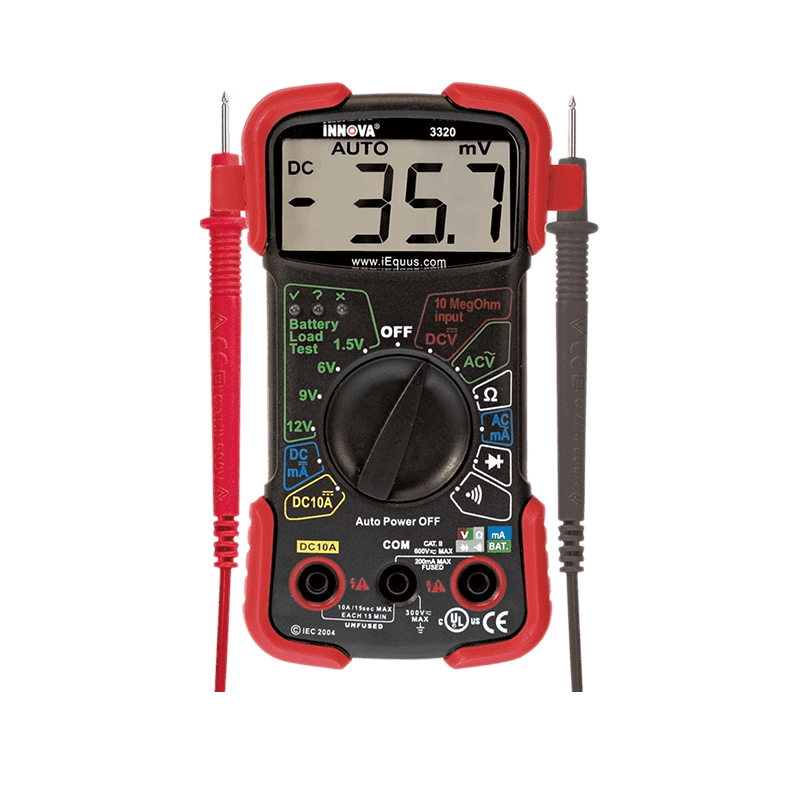
Innova 3320
A good entry product for no-start, charging, and parasitic draw guides.
- Best for
- Basic voltage, resistance, fuse, and battery checks.
- Check first
- A multimeter is powerful, but the user must know where and how to measure.
Compare fit and alternatives in Best Automotive Circuit Tester.
Circuit Testers · $$$
Power Probe IV
A step-up electrical tool to compare against Power Probe III.
- Best for
- Power, ground, component activation, and electrical diagnostic workflows.
- Check first
- Powered probes can damage circuits if used without understanding the wiring diagram.
Compare fit and alternatives in Best Automotive Circuit Tester.
Circuit Testers · $
AstroAI 6000-Count Digital Multimeter
A budget multimeter candidate for no-start and electrical guides.
- Best for
- Budget voltage, resistance, continuity, and basic electrical checks.
- Check first
- Automotive users should confirm fuse protection and category rating before probing.
Compare fit and alternatives in Best Automotive Circuit Tester.
Circuit Testers · $$
ESI 585K Deluxe Automotive DMM
A better-fit automotive DMM option than generic meters for garage content.
- Best for
- Automotive-focused electrical checks with accessories in one kit.
- Check first
- Use the right meter function and lead placement before measuring current.
Compare fit and alternatives in Best Automotive Circuit Tester.